For Your Operation
Profitability is top of mind every season, and revenue can come from other places besides bushels per acre. Explore ways you can take control of the economics within your operation, from premiums to cost share and management decisions.
%20(1).webp)
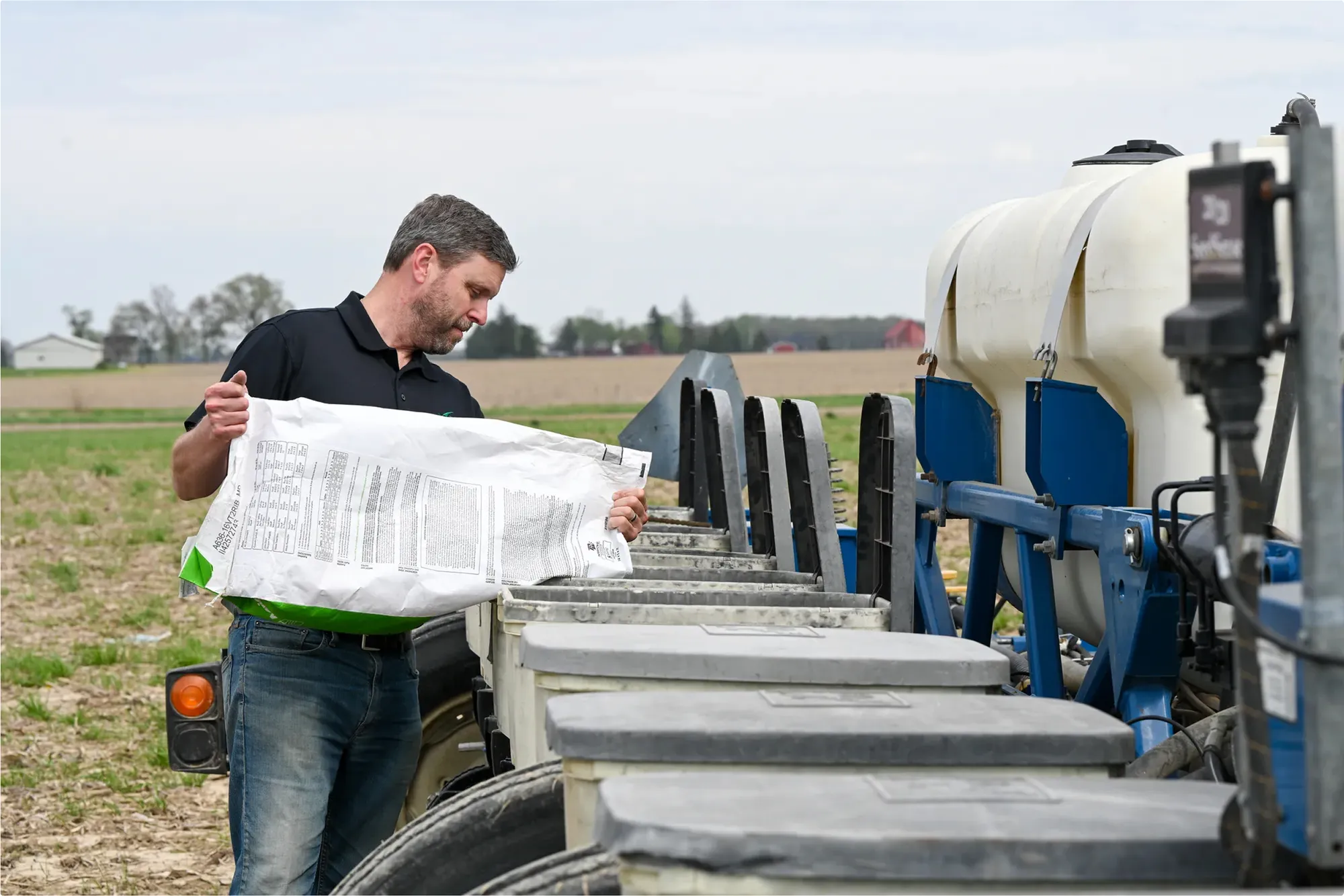

Don Wyss
Farmer-Leader | Fort Wayne, Ind.
Don Wyss
Farmer-Leader | Fort Wayne, Ind.
“
Many of these income streams like high oleic soy and Farmers for Soil Health are direct checkoff investments and helps us diversify in meeting customer demand who are willing to pay more for high-quality varieties and soil health practices.”
- Don
Perspectives from Farmer-Leaders
What Will Farmers Change With Tight Margins?
Soy Checkoff℠ farmer-leaders share their thoughts on one thing they’re doing on their farms to reduce the pressure with tight margins this year.
Farmers for Soil Health
Build Healthier Soil And Stronger Returns
Cover crops are one of the most effective ways to improve soil health, reduce erosion, lower nitrogen runoff, and sequester carbon—while also helping meet growing demand for sustainably produced soybeans. With 2026 enrollment, payment rates have increased to $35 per acre up to 2,000 acres, and technical advisors are available to help you understand eligibility, navigate enrollment, and successfully implement cover crop practices.
High Oleic Soybeans
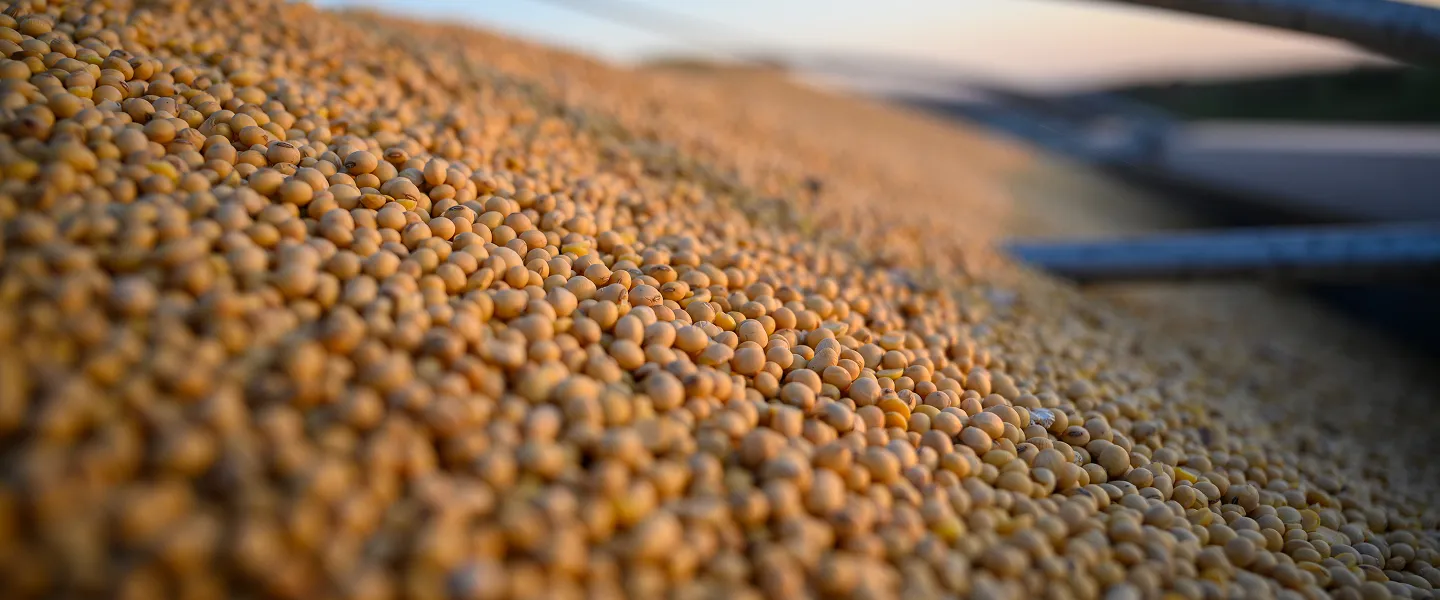
High oleic soybeans have returned $396 million in premium payments, representing a growing opportunity for farmers looking to maximize returns. Farmers can earn premiums of $0.75–$1.25 per bushel above conventional varieties while maintaining the agronomic performance they expect.
To see if high oleic contracts are available in your area, please reach out to our team: higholeic@unitedsoybean.org
Additional Resources
Iowa Soybean Association
Soybean Quality Economic Simulator
Calculate the potential economic return from protein premium payments based on soybean quality.

Pennsylvania State University
Open Crop Manager
Streamline crop planning and management decisions with an integrated platform designed to help track inputs, evaluate practices, and support season-long agronomic decision-making.