Sustainable Production

Sustainable Production Keeps U.S. Soy℠ Competitive
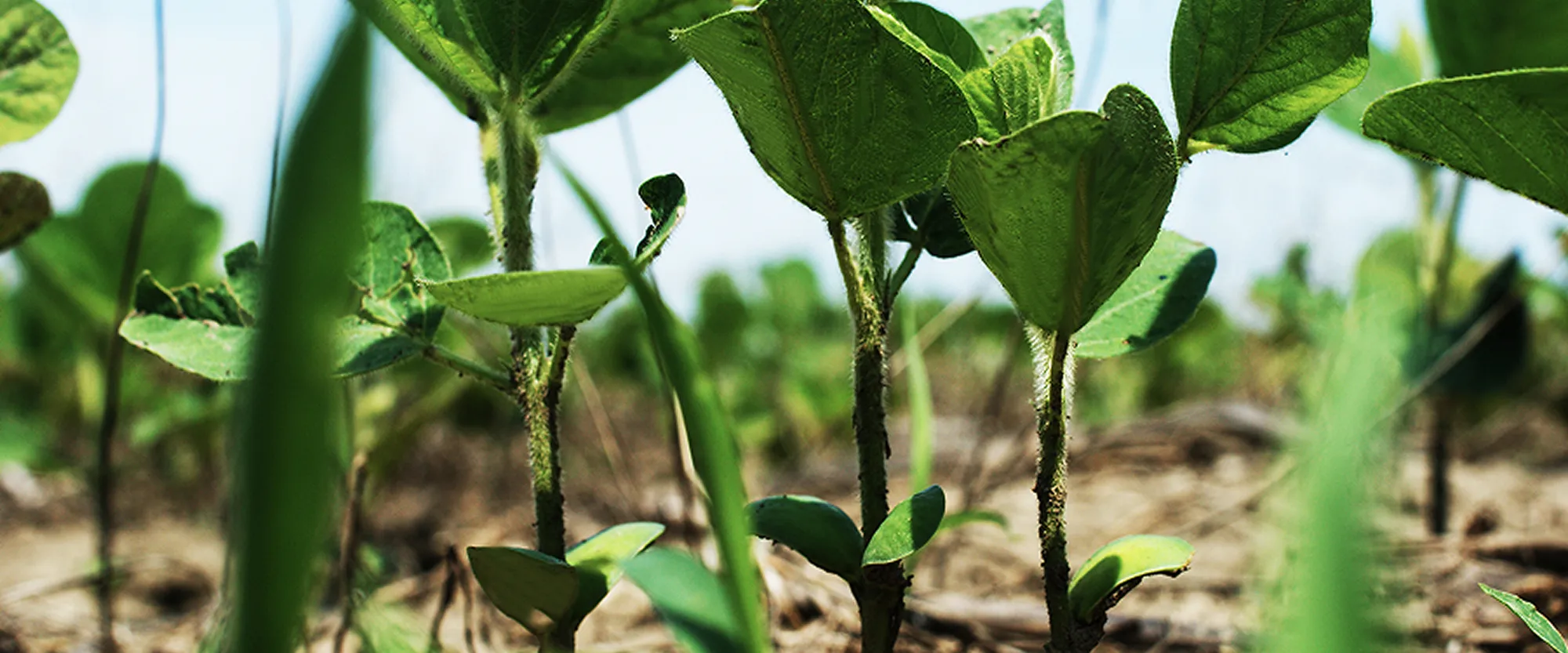
The quality, reliability, and environmental stewardship that U.S. soybeans are known for starts on the farm. Checkoff investment in sustainable production keeps U.S. soybean farmers ahead of the competition.
Close-up view of soybean plants emerging from the soil, with green leaves and stems growing in a cultivated field.

The Current Priorities in Sustainable Production
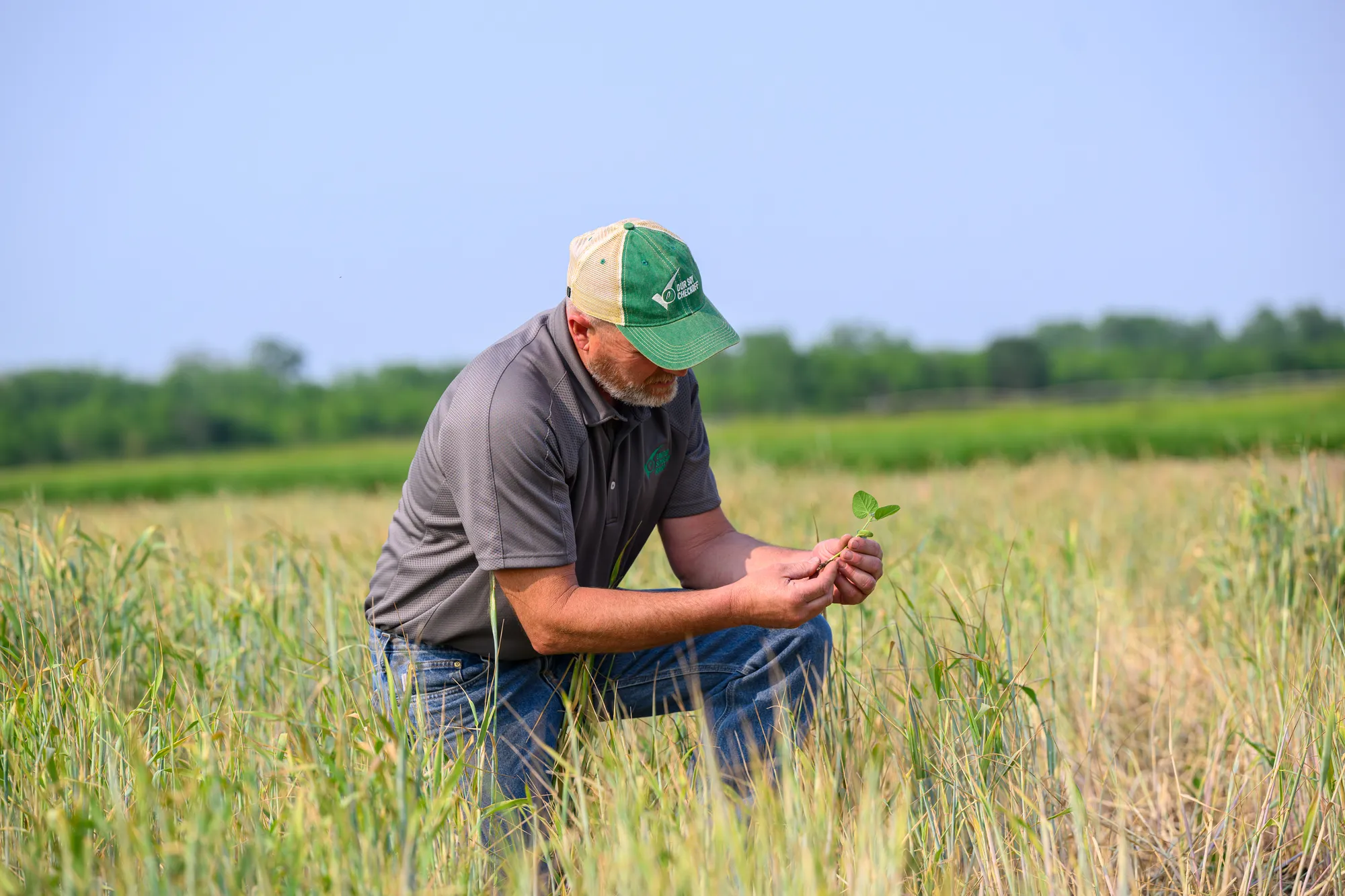
How soy is produced matters more to the market than ever. Soy Checkoff℠ investments support U.S. soybean farmers in continuing to grow a resilient product.
Farmer looking at young soybean plant in field

How U.S. Farmers Lead on Sustainability

Sustainability is a competitive advantage when it’s backed by data.

The checkoff invests in the on-farm research, farmer resources, and verification programs that demonstrate the value U.S. soybean farmers deliver to global buyers.

Protecting the Market Farmers Depend On

U.S. soybean farmers have built a real sustainability advantage, but it faces pressure from changing market dynamics. The checkoff works to maintain that advantage.

Global Buyers Are Choosing Value, Not Just Price

Global buyers increasingly evaluate soybean suppliers on sustainability credentials, quality, and supply reliability, not just cost. As competing origins invest to improve, U.S. soybeans must continue to demonstrate value beyond price.

Sustainability Claims Require Verification

The market is shifting from sustainability claims to verified performance. Without clear, credible data, U.S. soybeans risk losing access to key global markets.

Sustainable Practices Without Recognition

U.S. soybean farmers have reduced emissions by 43% per bushel since 1980 while increasing production by 130%, but those sustainability gains are not always reflected in market value. Without that recognition, U.S. soybeans risk losing ground to other countries that grow soy.

Buyers Face Barriers to Adopting Soy

Even when U.S. soybeans deliver on sustainability and performance, cost concerns and supply chain complexity can keep buyers from making the switch.
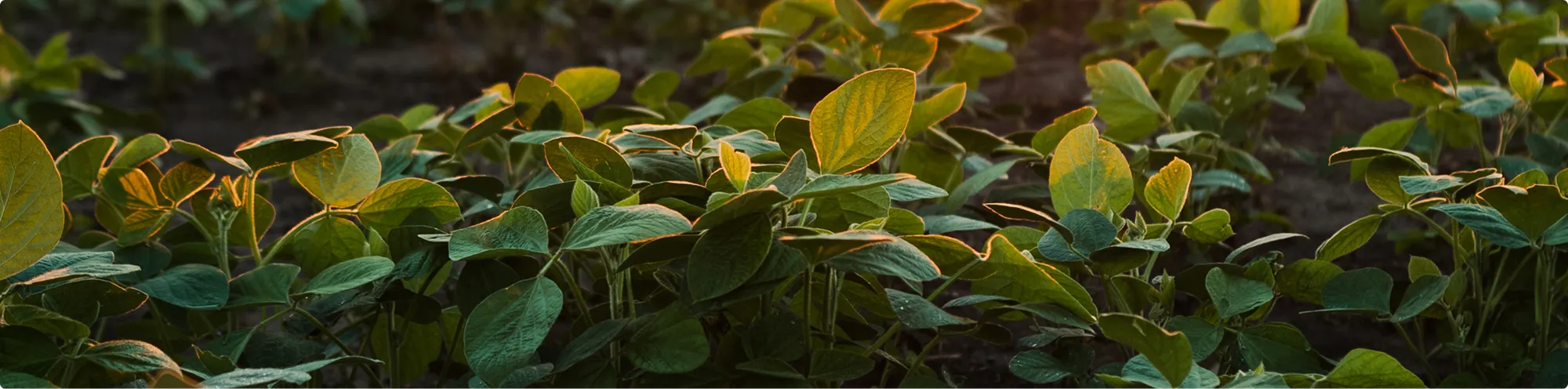
Close-up of healthy soybean plants growing in a field, with sunlight highlighting the green leaves and surrounding foliage.

Commitment to Sustainable Production

The Soy Checkoff's investment in sustainable production is delivering measurable results for farmers.

43%

Fewer emissions per bushel between 1980 and 2020

Supporting Farmers to Produce Sustainably
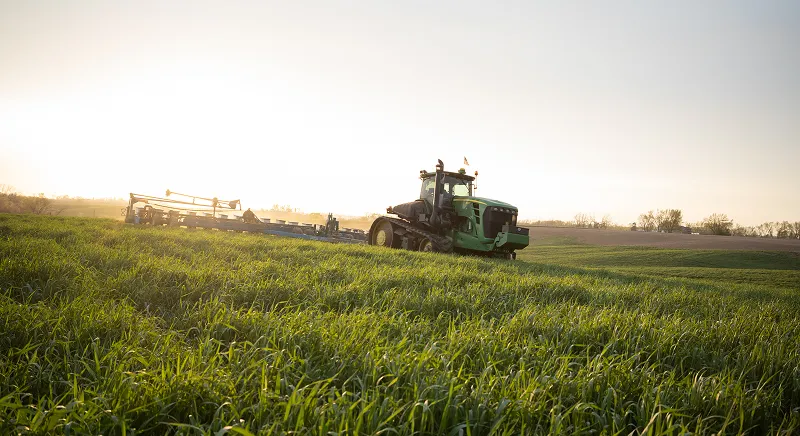
On-farm practices drive our sustainability advantage. Checkoff investment funds the research that strengthens those practices and the data that proves they're working.
Tractor operating in a field of green cover crops or grasses at sunset.

Yield Protection

There’s a long list of threats to soy in the field. The checkoff funds on-farm research to combat pests like soybean cyst nematode (SCN), weeds, and diseases, and provides guidance on fertilizer management to protect yields.
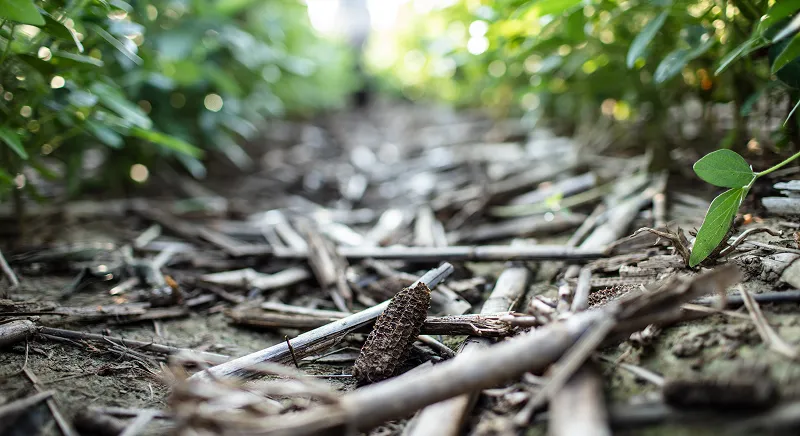
Ground-level view between rows of soybean plants with soil visible.

Soil Health

Cover cropping, no-till, and other checkoff-supported practices reduce erosion, improve soil structure, and protect fields between seasons.
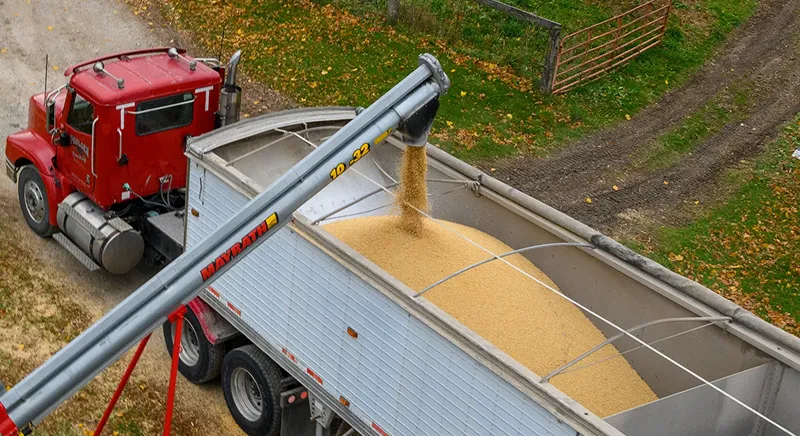
Aerial view of soybeans being loaded into a grain truck from an auger, with harvested grain filling the trailer on a farm.

Carbon & Emissions

The checkoff funds carbon modeling and greenhouse gas research that document a 43% reduction in emissions per bushel since 1980.

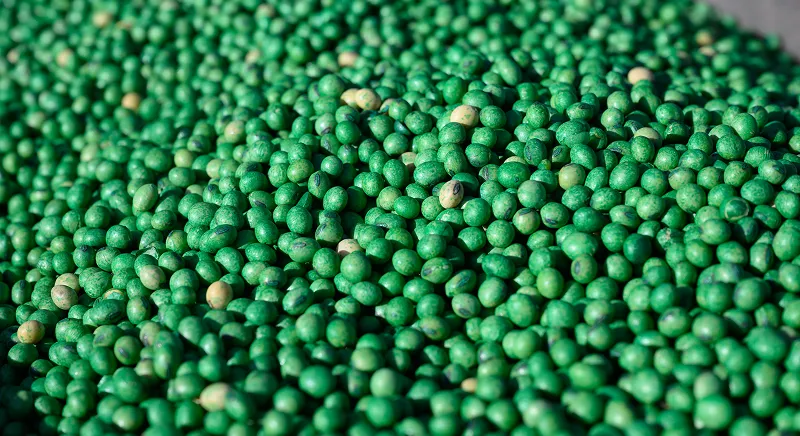
Close-up of treated soybean seeds gathered in bulk.

Seed Genetics

Sequencing the soybean genome was a farmer-funded research accomplishment that continues to pay off. It’s led to better resistance against diseases and environmental stressors, which makes our product more sustainable.

How the Checkoff Pays Off

Checkoff investment is built to return value to U.S. soybean farmers. See what it has produced.

Explore Checkoff Results