Food

Keeping Soy in Demand and on the Plate

Soy competes with other ingredients for shelf space and a spot on the ingredient list. Soy Checkoff℠ investments fund the work that keeps it a top choice for food manufacturers and consumers.
A close-up of a person using chopsticks to lift noodles into a pan with soybean oil.

Soy Checkoff's Priorities in the Food Market
Soy's position in the food sector is the result of sustained, strategic investment. These focus areas show the greatest return on investment.
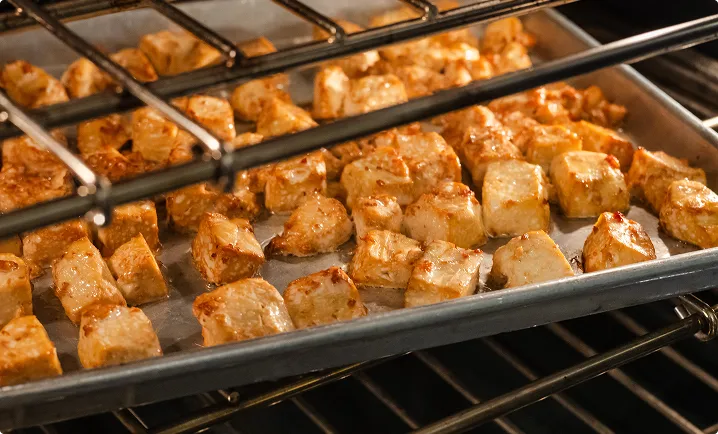
Tray of cubed tofu roasting in an oven, with golden-brown edges and a lightly crisped surface.

What Keeps Soy on the Ingredient List

Food manufacturers choose ingredients they can trust.

That’s why the checkoff funds research and education efforts to make the case for soy based on health, nutrition, and functionality.

Protecting the Market Farmers Depend On

The checkoff tracks the conversations threatening soy's reputation in the food supply and responds with research, facts, and testimonials from the industry.

Seed Oils

Despite ongoing misinformation, many health experts continue to support seed oils, including soybean oil, as part of a balanced diet. These oils provide essential fatty acids and support heart health, helping maintain trust in soybean oil as a widely used ingredient.

Ultra-Processed Foods

Whether a food is processed is not a reliable measure of healthfulness. In the case of soy foods, methods such as fermentation and fortification support nutrition, food safety, and accessibility, helping make nutrient-dense options more widely available to consumers.

Dietary Guidelines

Dietary guidance shapes consumer preferences for ingredients and foods. The nutritional profile of soy foods means they have a role in healthy eating patterns across all life stages.

Soy Allergies

Fewer than 1 in 100 children have a soy allergy, most outgrow it by age 10, and global health authorities cleared soy from the priority allergen list in 2022*. Clear guidance for food manufacturers helps ensure soy continues to be included as an ingredient.

Cooking oil being poured into a stainless steel skillet, with kitchen utensils and a countertop visible.

Growing Demand in Food

Checkoff investment in food and consumer packaged goods (CPG) is substantial. That investment keeps soy showing up across product categories, ingredient lists, and consumer choices.

Top 25

Seed Oil Hub’s ranking among the most trusted sources for seed oil information online

3:1

The return on investment for the checkoff’s funding of high oleic soybeans

$400M

Returned in premium payments to farmers planting high oleic traits through 2025

The Products Soy Makes Possible

Food manufacturers choose soy foods because consumers demand nutrition, taste, and consistency.
Plant-based meat alternatives made with soy protein.

Plant-Based Foods

Soy protein is a primary ingredient in plant-based foods, one of the fastest-growing segments in the food industry.
Whole grain goods on a bakery display, made with soy ingredients.

Baked Goods & Grains

Soy ingredients improve protein content and functionality in breads, cereals, and grain-based products.
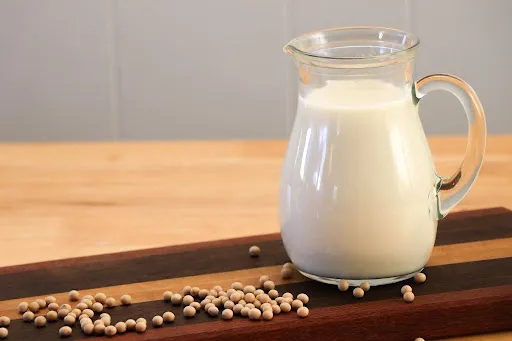
Glass pitcher of soy milk on a wooden table, with scattered soybeans and a wooden serving board in the foreground.

Protein Bars & Beverages

Soy protein anchors a growing category of convenient, nutrition-forward products consumers reach for daily.
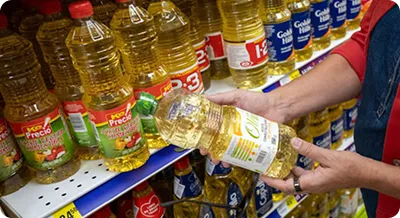
Grocery store shelf featuring soybean oil and soy-based food products.

Cooking Oils & Dressings

Soybean oil dominates this category, valued for its neutral flavor, high smoke point, and recognized health benefits.

How the Checkoff Pays Off

Checkoff investment is built to return value to U.S. soybean farmers. See what it has produced.

Explore Checkoff Results