Supply Chain
Lower Freight Costs Secured by Research, Analysis, and Design to Deepen the Mississippi River
Farmer Benefit
U.S. farmers saw better prices for soybeans shipped abroad via the lower Mississippi River.
Checkoff Impact
The Soy Checkoff℠ commissioned the economic and pre-engineering analysis that made the case for dredging, then helped move the project through federal approval.
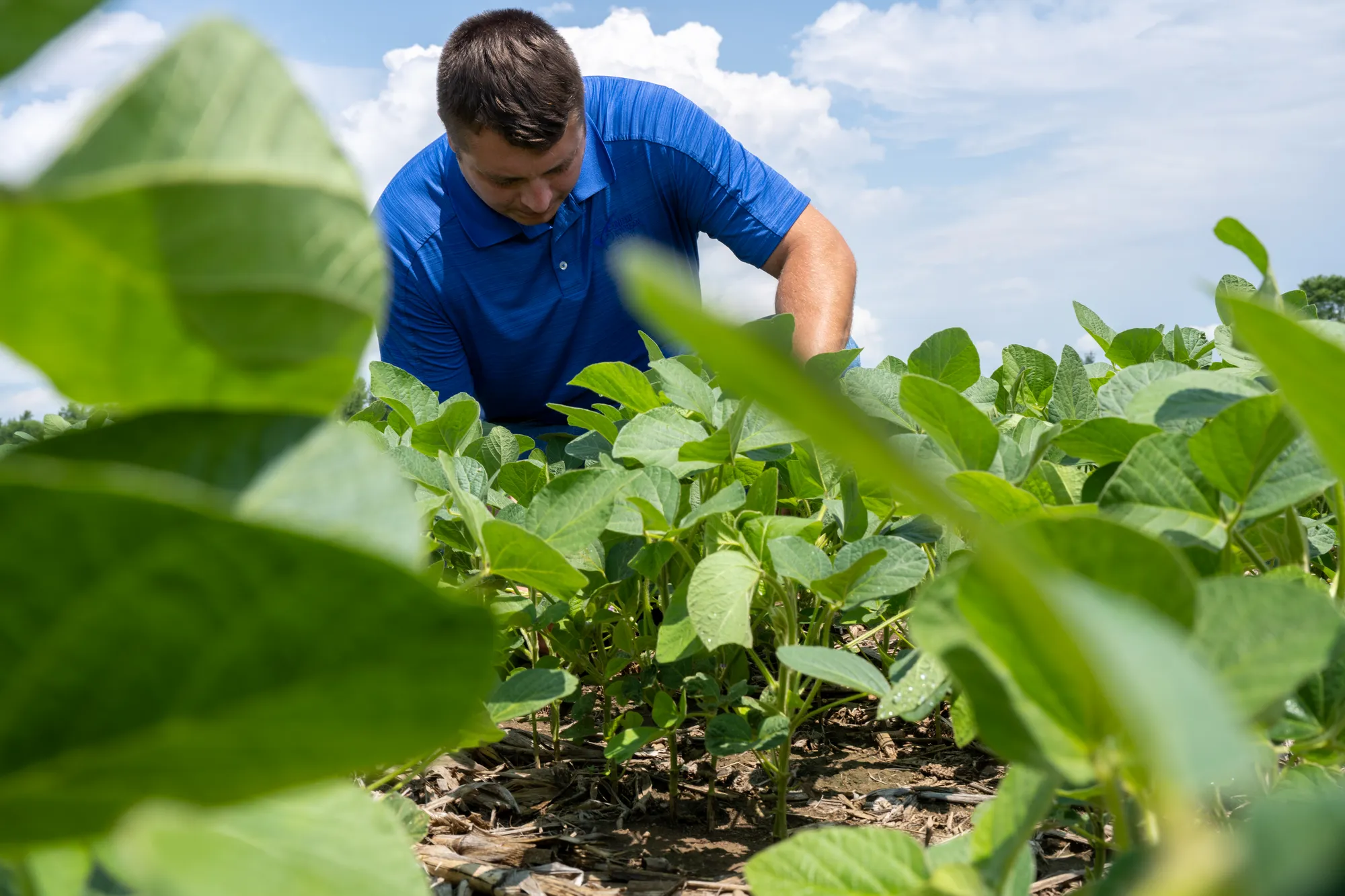
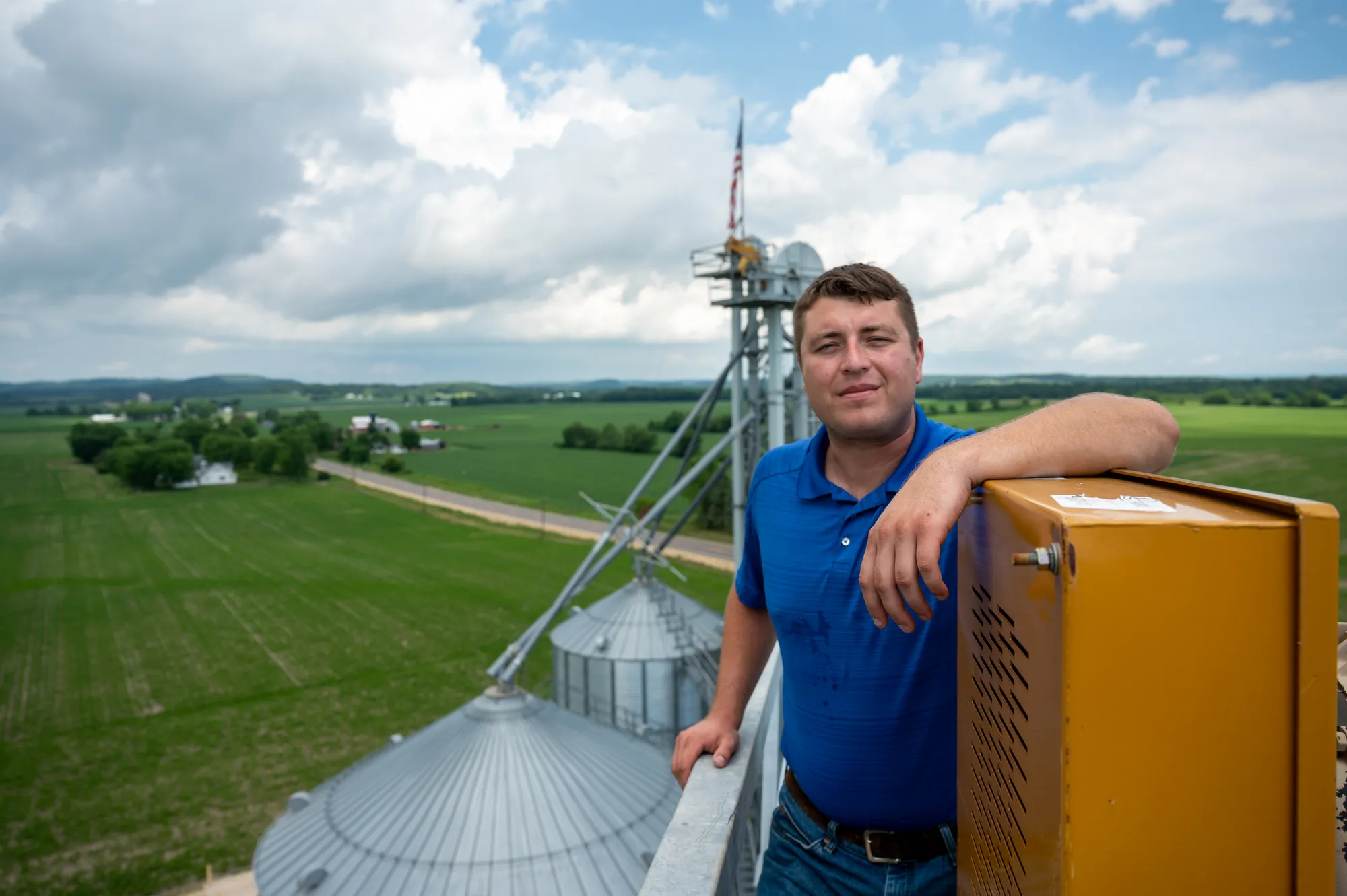
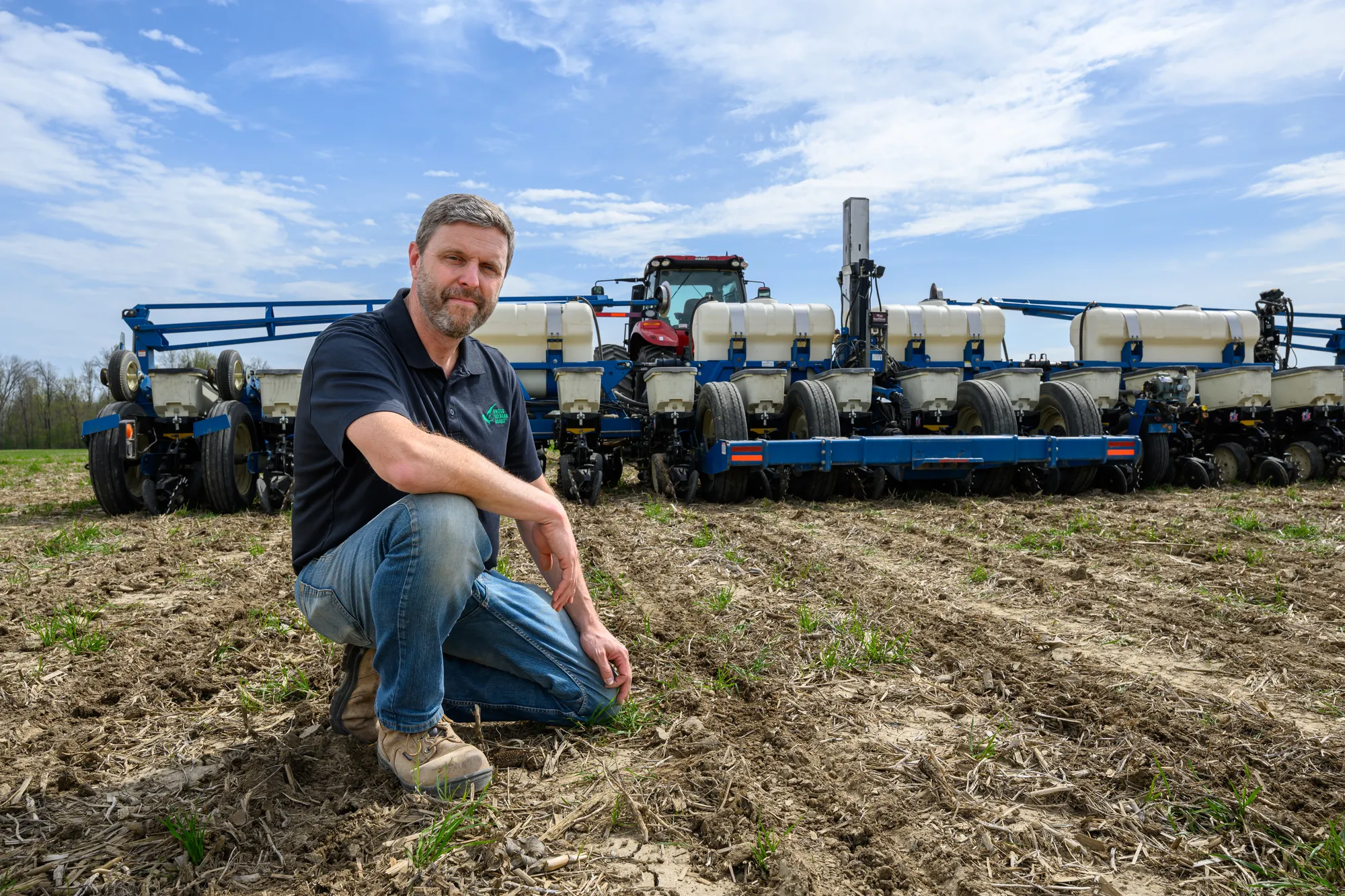
For Tony Mellenthin, a third-generation Wisconsin farmer who delivers all of his crops to a Mississippi River terminal, the river is as much a part of the operation as the fields themselves. When the channel runs shallow, or vessels can't load to capacity, farmers feel it.
The Soy Checkoff funded the research, analysis, and design that built the case for deepening the lower Mississippi River channel, moving the project through federal review to a completed dredge in 2023.
The numbers backed up the decision: deepening the channel from 45 to 50 feet meant vessels could carry 500,000 more bushels per load.
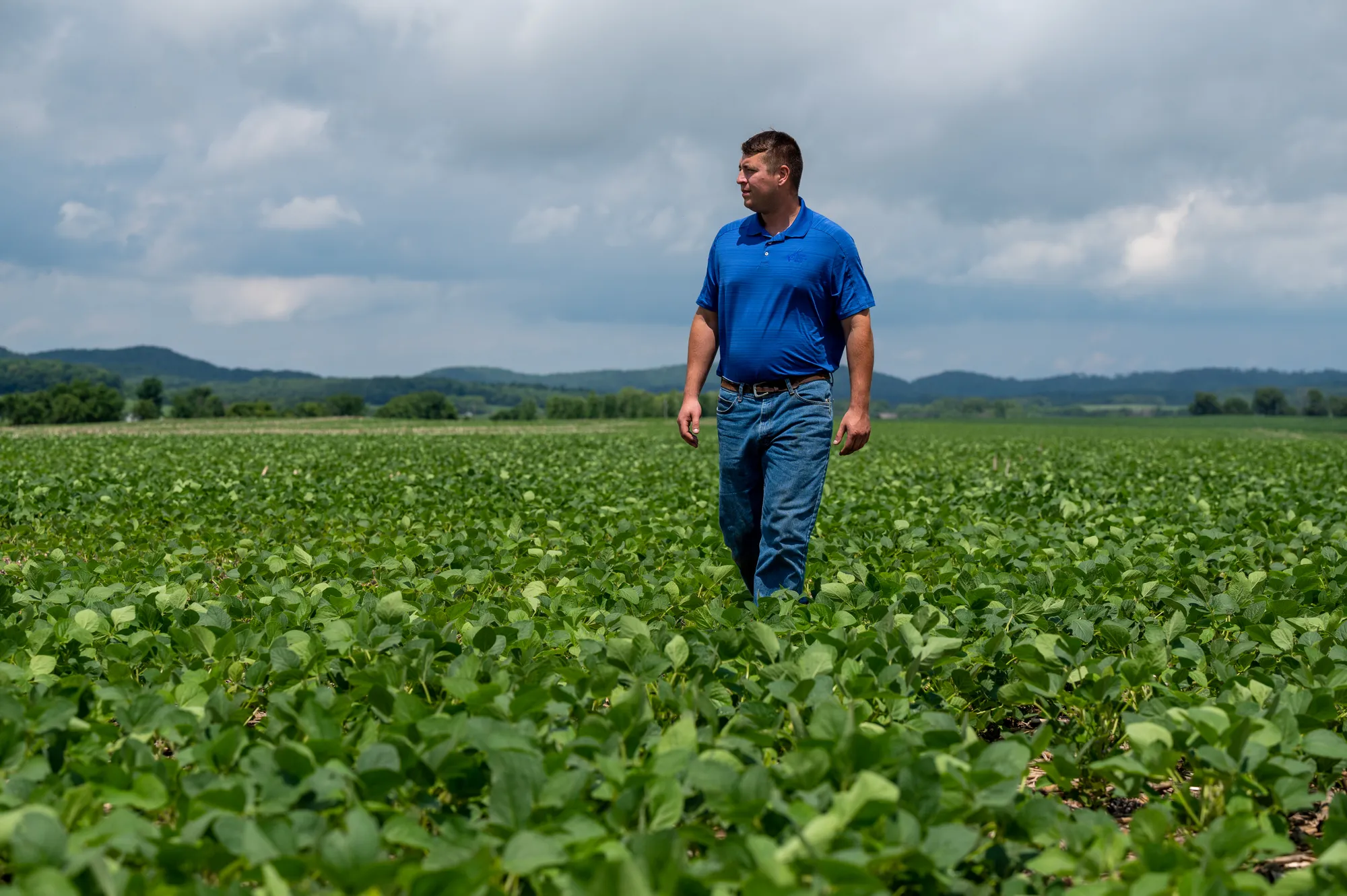
“The national Soy Checkoff is one of the very few and unique organizations that can convene the right people to make major improvements and investments into our infrastructure that we would never be able to do as individual farmers.”
For soybean farmers like Mellenthin, that work translates to $0.13 per bushel saved in freight costs, and $461 million returned to farmers annually. It's the kind of result no individual farmer could produce alone, and exactly the kind of work the checkoff exists to do.
500,000
additional bushels per ocean vessel
Source: United Soybean Board
$461 million
in annual realized value for farmers
Source: United Soybean Board
The checkoff invests in demand so farmers can add value to their acres.
Find out how checkoff investment in high oleic soybeans created a premium pathway for farmers working with tight margins.
Read StorySupply Chain
Lower Freight Costs Secured by Research, Analysis, and Design to Deepen the Mississippi River
Farmer Benefit
U.S. farmers saw better prices for soybeans shipped abroad via the lower Mississippi River.
Checkoff Impact
The Soy Checkoff℠ commissioned the economic and pre-engineering analysis that made the case for dredging, then helped move the project through federal approval.
For Tony Mellenthin, a third-generation Wisconsin farmer who delivers all of his crops to a Mississippi River terminal, the river is as much a part of the operation as the fields themselves. When the channel runs shallow, or vessels can't load to capacity, farmers feel it.
The Soy Checkoff funded the research, analysis, and design that built the case for deepening the lower Mississippi River channel, moving the project through federal review to a completed dredge in 2023.
The numbers backed up the decision: deepening the channel from 45 to 50 feet meant vessels could carry 500,000 more bushels per load.
“The national Soy Checkoff is one of the very few and unique organizations that can convene the right people to make major improvements and investments into our infrastructure that we would never be able to do as individual farmers.”
For soybean farmers like Mellenthin, that work translates to $0.13 per bushel saved in freight costs, and $461 million returned to farmers annually. It's the kind of result no individual farmer could produce alone, and exactly the kind of work the checkoff exists to do.
500,000
additional bushels per ocean vessel
Source: United Soybean Board
$461 million
in annual realized value for farmers
Source: United Soybean Board
The checkoff invests in demand so farmers can add value to their acres.
Find out how checkoff investment in high oleic soybeans created a premium pathway for farmers working with tight margins.
Read Story500,000
additional bushels per ocean vessel
Source: United Soybean Board
$461 million
in annual realized value for farmers
Source: United Soybean Board