From research to ration: building demand for soybean meal
10.14.2026
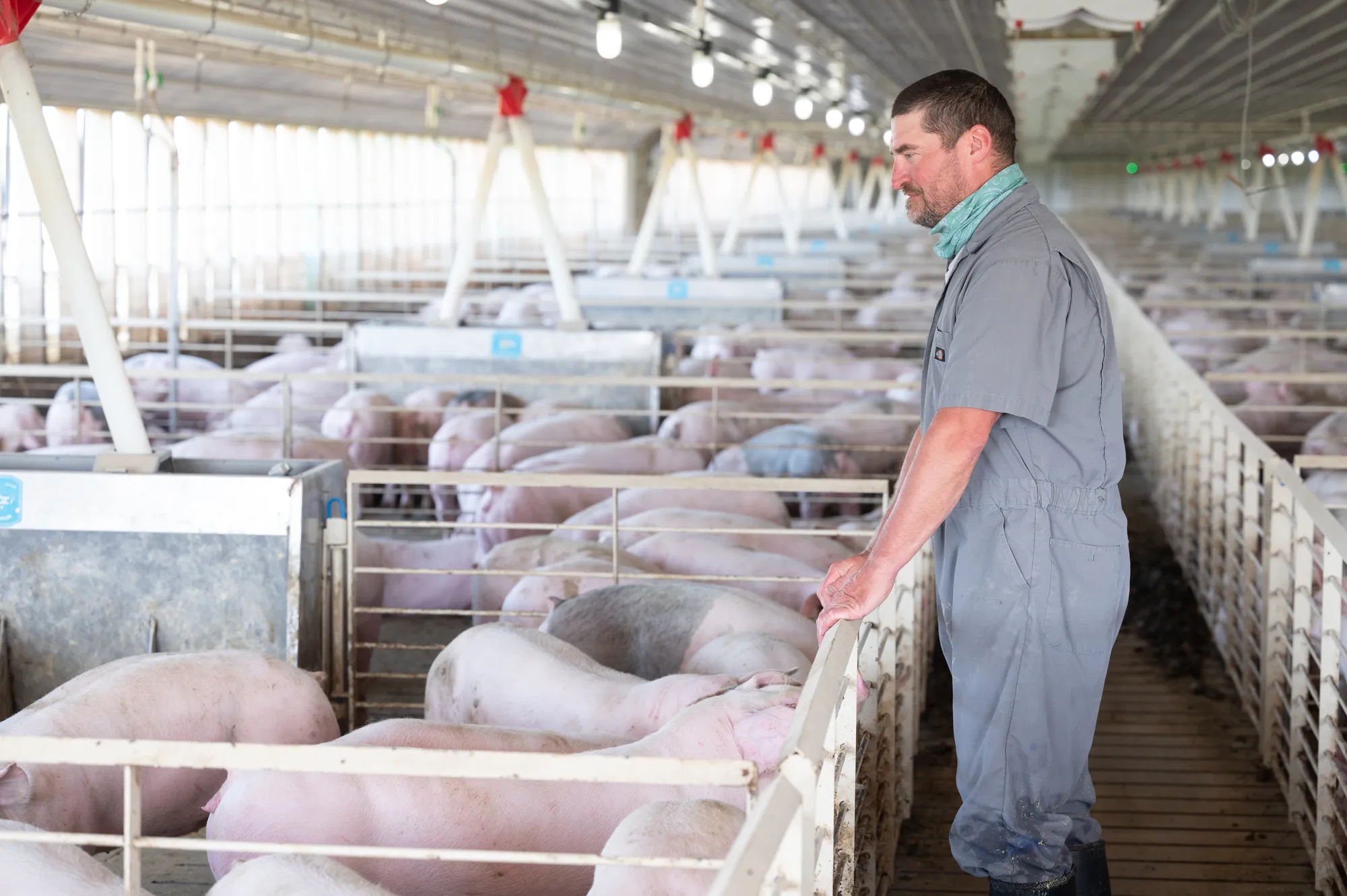
“If I can spend an hour in my barn taking care of the pigs per day instead of three to four hours having to treat a lot of sick pigs, for me personally, that makes a big difference,” he said.
Even the air has changed in the barns, which sit over deep manure pits.
“The air is a lot easier to deal with in there, not near as bitey,” Bardole said.
Bardole raises pigs for a large swine integrator. Just a few years ago, he faced porcine reproductive and respiratory syndrome (PRRS) and other respiratory problems in his barns. He said most of those problems eased after soybean meal inclusion rates increased in the pig feed.
“It’s real,” he said. “Being in the pigs every day, I see it more than some, probably, but it makes a difference, and these integrators are seeing it because it’s really reducing their death loss, the expense for medications, the expense for slow rate of gain that they get with health-challenged pigs.”
Today, the big question isn’t whether soybean meal has nutritional value but whether nutritionists fully account for it when formulating rations.
Scaling what worked in swine
The Soy Checkoff recently retired its Animal Nutrition Working Group in favor of four species advisory teams: one each for swine, poultry, beef and dairy.
Each species team, made up of industry advisors, guides soy value propositions from discovery through development to adoption. The goal is to advance value propositions that drive or protect demand for U.S. soy while supporting profitability for livestock and poultry producers. Progress is measured by how value propositions advance through each stage toward commercial adoption
The approach grew out of pilot teams that showed a focused strategy could work. The Soy Checkoff formed a swine advisory team in 2022 and a dairy team in 2024. With both delivering results, it is now launching a poultry team and identifying members for a beef team.
Each team brings together nutrition, animal health, veterinary and production professionals who make and carry out feed decisions, keeping investments focused on what can work in the feed mill and on the farm.
Bardole supports the shift to species teams, saying the former working group leaned heavily toward monogastric expertise and research advice, while the new structure builds on that success by strategically bringing that evidence to market.
What it could mean for soybean demand
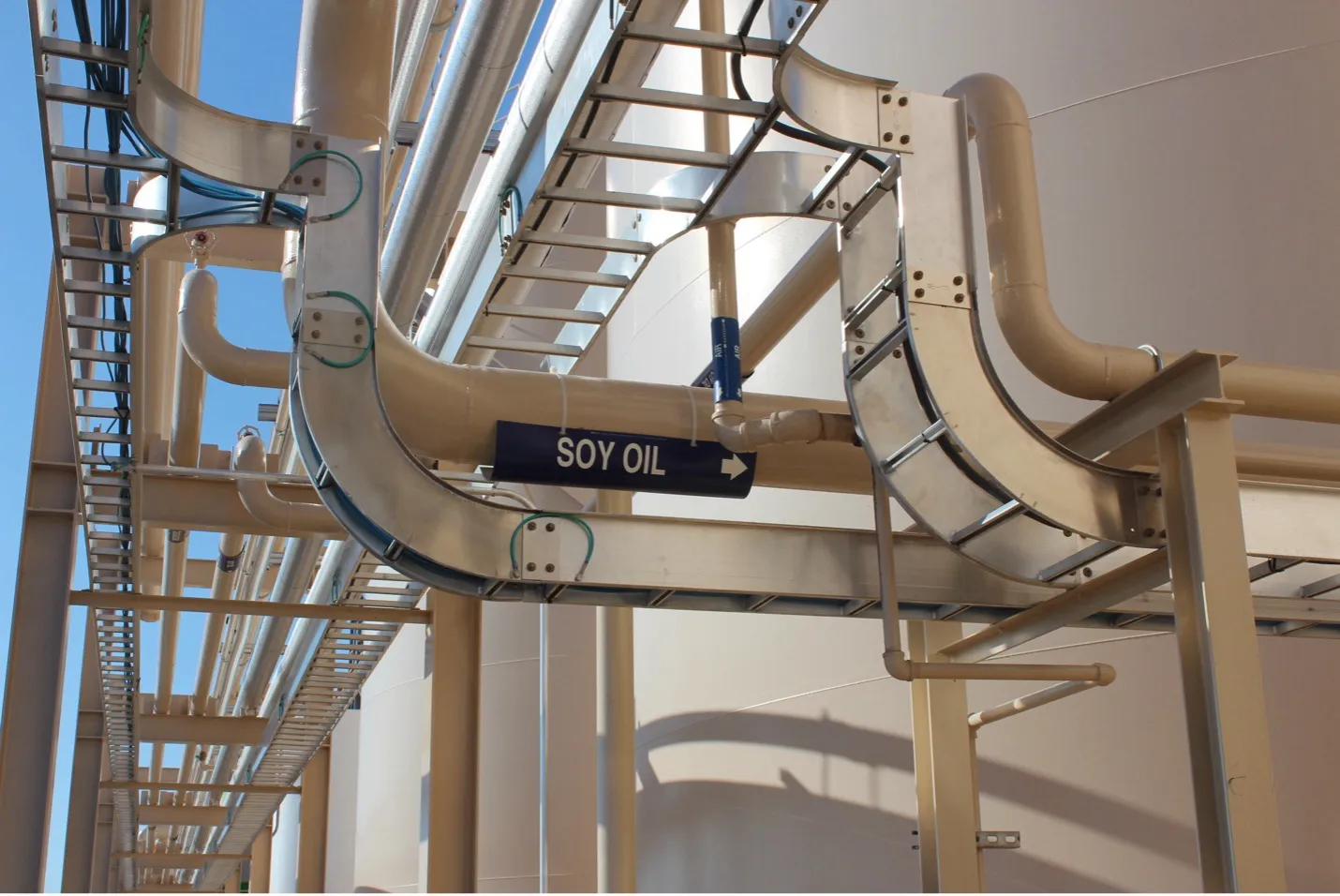
As new crush plants come online to meet demand for soybean oil in renewable fuels, U.S. soybean meal production will add an estimated 11 to 12 million metric tons (MMT) over the next decade, on top of the current production of roughly 49 MMT.¹
The checkoff’s domestic animal nutrition and health strategy works hand in hand with the U.S. Soybean Export Council to ensure that demand for additional crush in domestic and export markets. In fact, USSEC leverages checkoff-funded research and growing value propositions to differentiate U.S. soy and build buyer preference in more than 90 countries.
Bardole sees the soybean meal work as a clear return on the Soy Checkoff’s long-term thinking.
“Farmer-leaders, working alongside checkoff staff, look ahead to find what will make a difference for soybean farmers,” he said. “And in this case, it has worked very, very well.”
References
- American Soybean Association, “Soybean Crush Expansion 2025 Update.” (2025).
Related News
More crush, more markets: how renewable fuels are driving demand for U.S. Soy
Former National Security Council director takes the helm of the nation's Soy Checkoff
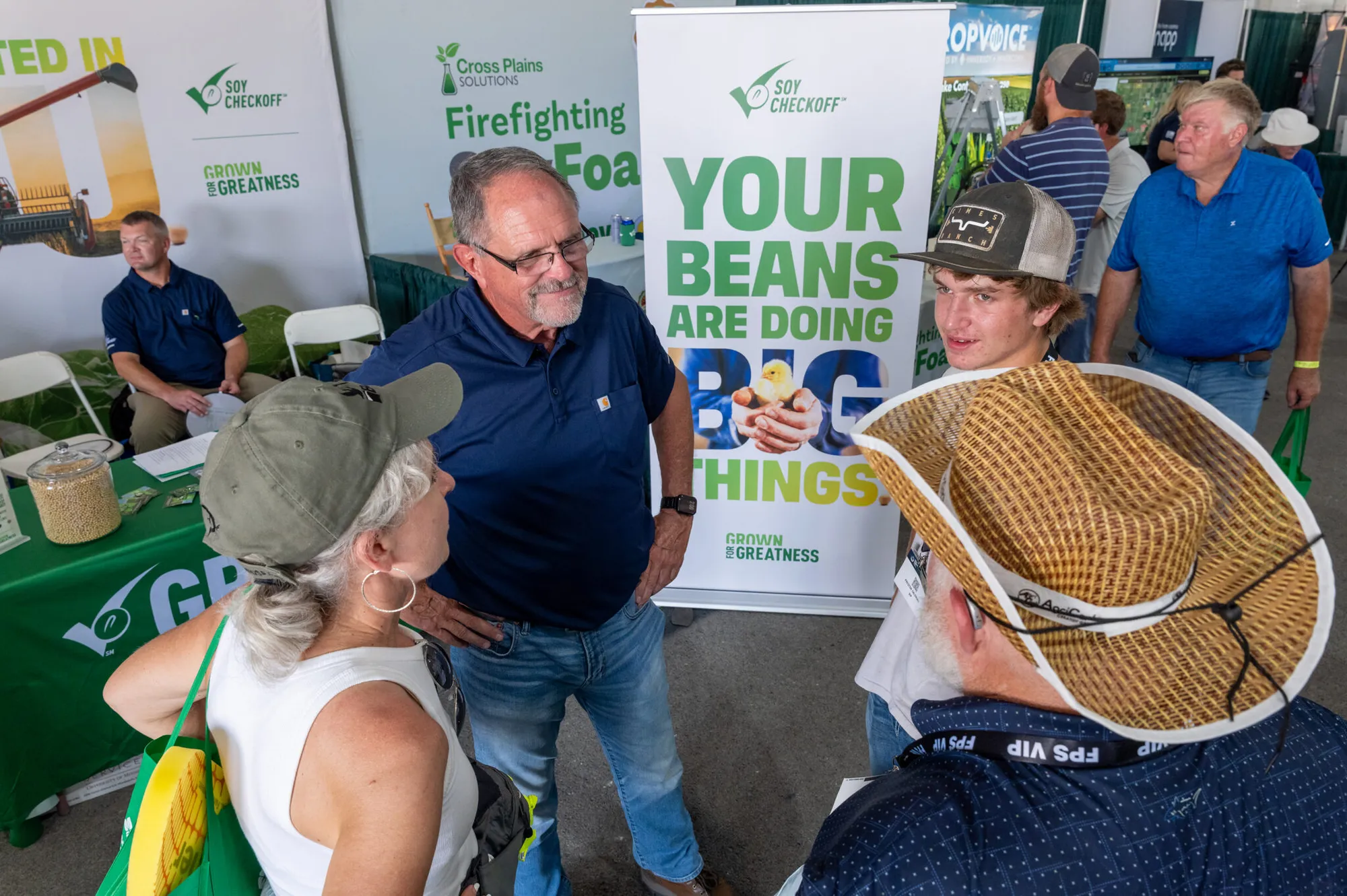
Farmer-leaders put a face to the Soy Checkoff at Farm Progress Show