Soy Checkoff launches Soy Farmer Support Hub to help navigate current farm challenges
Resources built by farmers, for farmers: aimed for your fields, your operation and you
ST. LOUIS, MO. (May 14, 2026) — Farmer-leaders of the United Soybean Board built something their fellow farmers have long needed: one place for near-term solutions that matter. The Soy Farmer Support Hub, found at soycheckoff.org/soy-farmer-support-hub, combines resources that the checkoff curated into an easy-to-follow location focused on fields, operations and the farmers themselves.
05.14.2026

The site is part of a bigger initiative by the Soy Checkoff to help U.S. soybean farmers access timely, research-backed tools to overcome the challenges they face day-to-day. While the checkoff typically focuses on long-term market building and on-farm production improvements three to five years out, these immediate resources are applicable to helping farmers’ bottom line while also reducing farm stress, which is especially important during Mental Health Awareness Month in May.
The Soy Farmer Support Hub is categorized into three sections: For Your Fields, For Your Operation, and For You. These are resources farmer-leaders feel are a high priority this growing season. The first section – For Your Fields – includes a collection of resources that help farmers make pre- and in-season decisions. Farmers can find everything from variety selection tools to disease and insect management calculators.
“Soybeans are grown in more than 30 states and navigating all the resources out there can be a full-time job,” says Tom Frisch, Soy Checkoff farmer-leader from Dumont, Minn. “We’re covering standard topics like planting, seeding rates, pests and diseases. But, we’re also covering newer topics like making decisions around biologicals.”
Frisch explains that for the first time ever, the checkoff has a suggestion box for resources farmers would like to see added to the Support Hub or additional input on investment priorities. The form is a direct line to the farmers making funding decisions.
The second section of the Hub – For Your Operation – looks at revenue and profitability. While it’s top of mind for farmers 24/7, the tools available help farmers identify new opportunities to impact on-farm profitability including premiums, cost-share funding, and management decisions.
“There are some concrete opportunities within the specialty and sustainability space for farmers to add revenue to their operation,” says Don Wyss, Soy Checkoff farmer-leader from Fort Wayne, Ind. “Many of these income streams like high oleic soy and Farmers for Soil Health are direct checkoff investments and helps us diversify to meet customer demand from buyers who are willing to pay more for high-quality varieties and soil health practices.”
Wyss grows high oleic soybeans and recognizes that these programs are not a one-size-fits-all situation for growers. He encourages farmers to look at the opportunities in their area and identify what works for their operation.
But none of the field tools or economic resources matter without the farmer behind them, which connects to the third section of the hub – For You (the farmer). The checkoff recognizes the role mental health plays in agriculture and compiled resources to emphasize that farmer stress and well-being must be discussed and that anyone struggling is not alone.
For You combines resources from all over the country that focus on the farmer. It gives friends, connections and family an opportunity to know the signs of stress and help the people they care about break through.
“To be able to take care of your family and your farm, you have to also take care of you,” says Robb Ewoldt, Soy Checkoff farmer-leader from Davenport, Iowa. “We’re all dealing with compounding stress in agriculture, and we want people to know that you have neighbors and peers who are also managing it. As a farmer-led board, we want to help in normalizing conversations about mental well-being and making it easier to find the right information.”
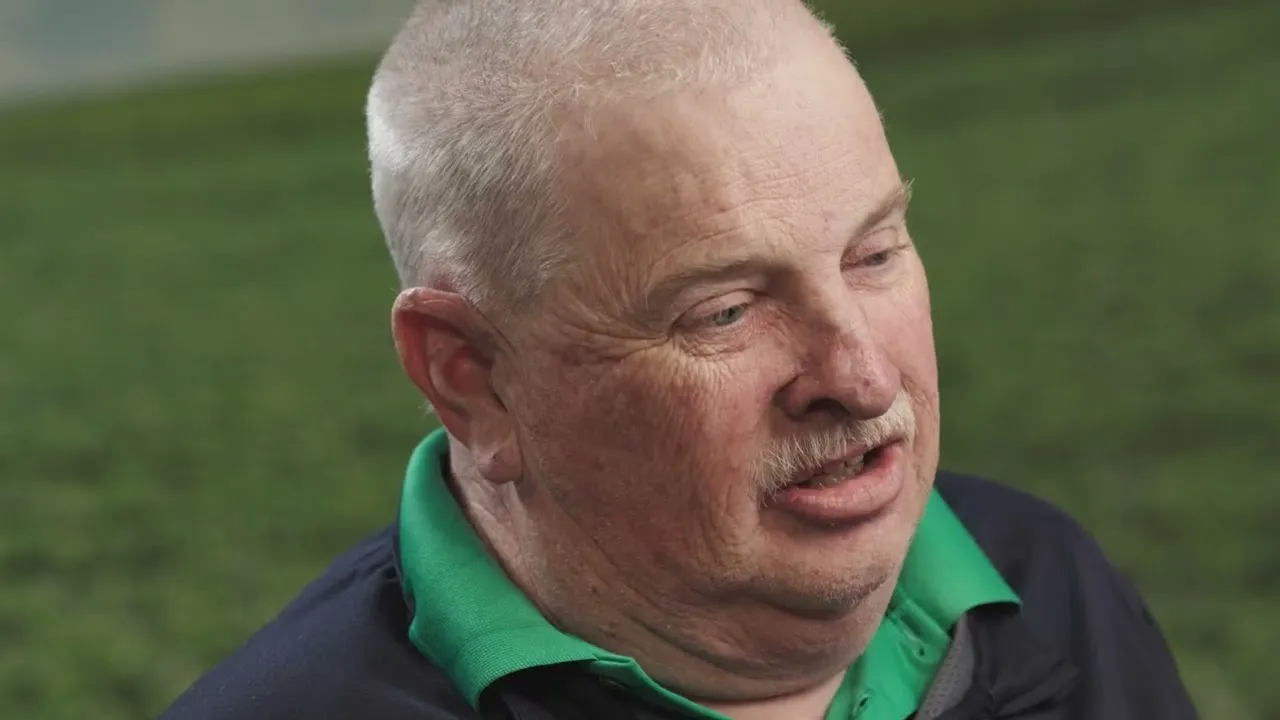
The checkoff’s plan for the Soy Farmer Support Hub includes ongoing development of materials. More resources will become available in the weeks and months ahead, including videos like the one below highlighting how farmers are managing tight margins this year. Farmers who are looking for something specific are encouraged to reach out and submit suggestions within the hub.
About United Soybean Board
United Soybean Board’s 77 farmer-leaders work on behalf of all U.S. soybean farmers to increase demand, drive on-farm resilience and ensure farmers achieve maximum value for their Soy Checkoff investments. These volunteers create value through strategic partnerships across research, promotion and education investments – spanning the food, feed, fuel, industrial uses, exports and sustainable production market segments. USB also focuses its communication and education efforts on strengthening the reputation of U.S. Soy with customers, amplifying checkoff investments to inform U.S. soybean farmers and partnering with the 30+ Qualified State Soybean Boards on research and outreach. As stipulated in the federal Soybean Promotion, Research and Consumer Information Act, the USDA Agricultural Marketing Service has oversight responsibilities for USB and the Soy Checkoff. For more information on the United Soybean Board, visit soycheckoff.org.
Related News
Soy’s secret health boost: How soybean meal supports livestock through disease and heat stress

From the farm to the fleet: How U.S. Soy is finding new demand in city garages
Sustainability and the bottom line pull in the same direction