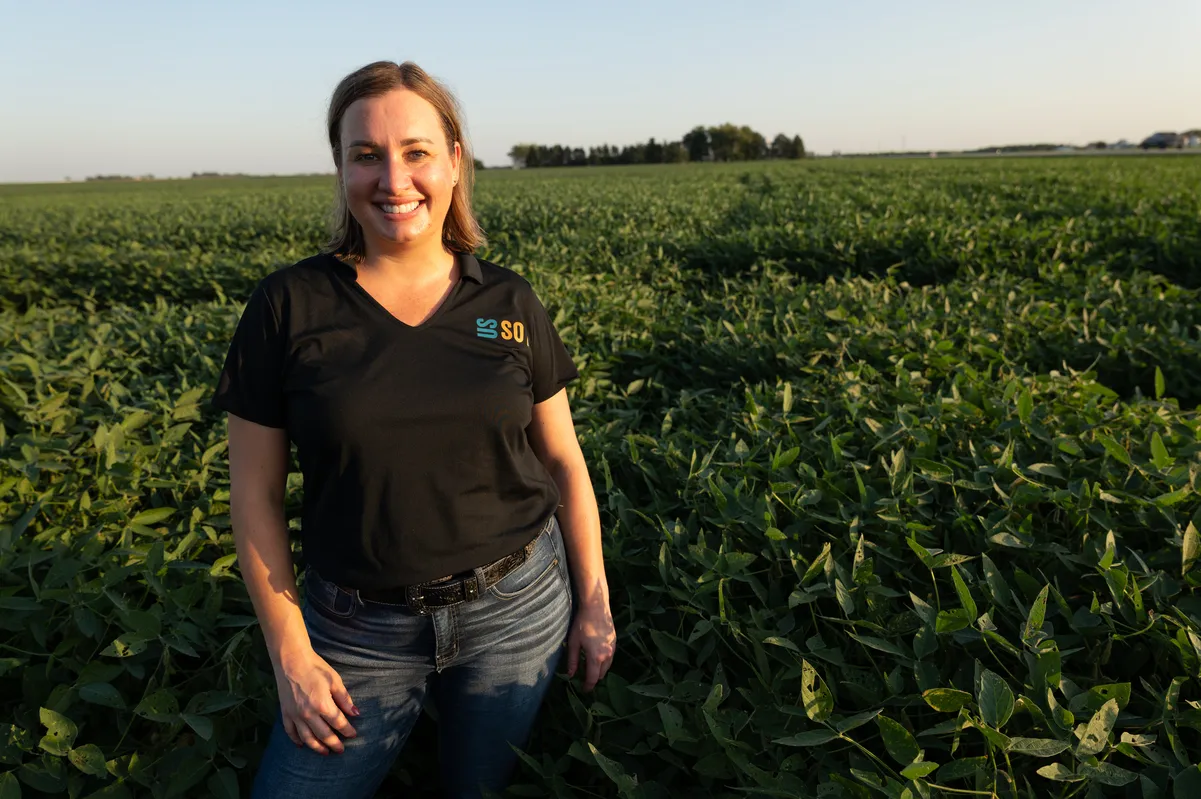
Farmers as Ambassadors: Building Trust in U.S. Soy Around the World
When international buyers want to know what sets U.S. Soy℠ apart, there’s no better person to answer than the farmer who grows it.
10.28.2026
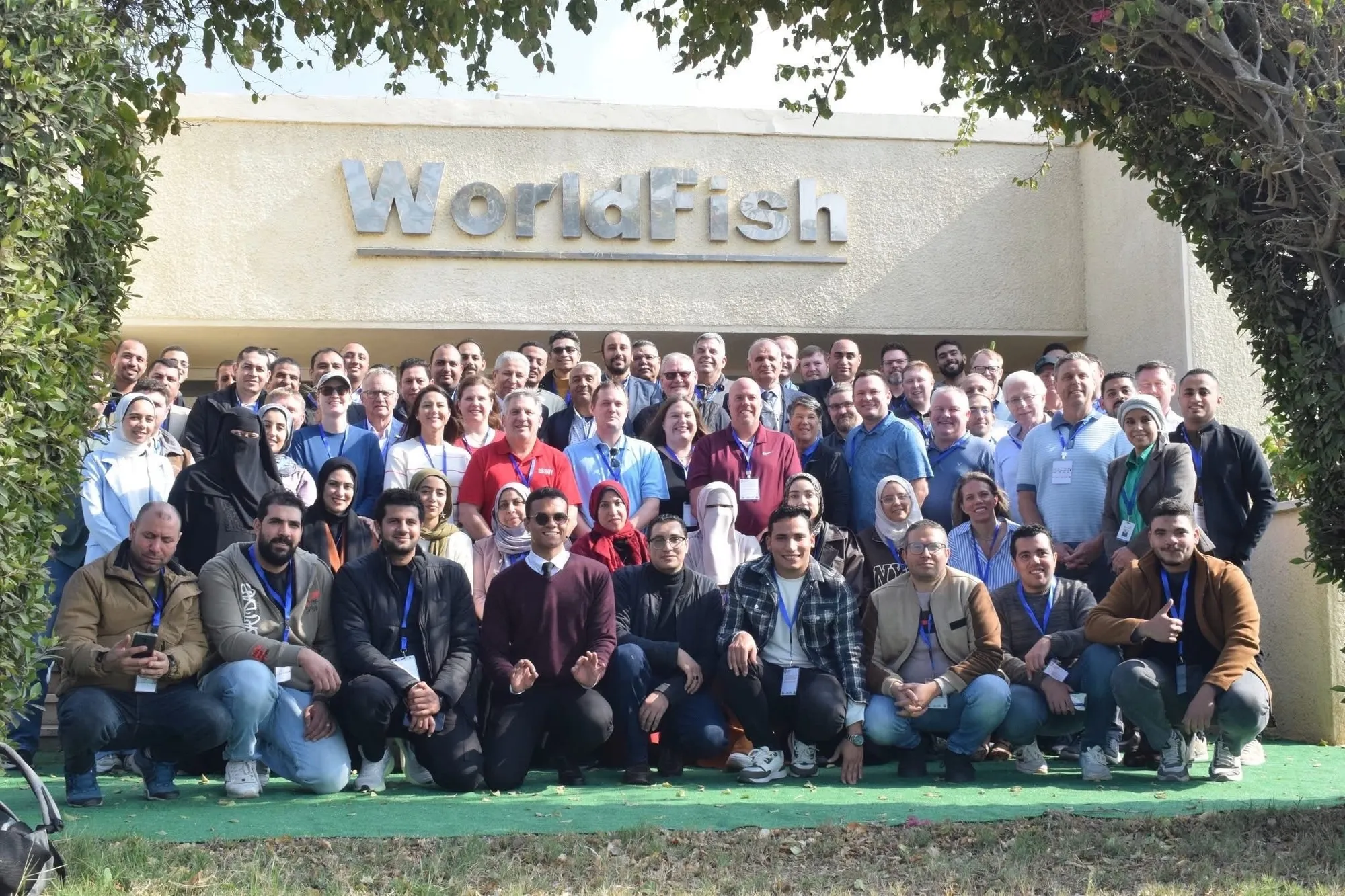
That’s the idea behind the United Soybean Board (USB)’s See for Yourself Program, which gives U.S. soybean farmers opportunities to travel to international markets, meet with customers and partners, and see firsthand how Soy Checkoff℠ investments are helping build demand for U.S. Soy.
For Stewart Douglas, a soybean farmer from Flat Rock, Ind., his 2026 trip to Egypt offered a firsthand look at what that investment means — and why personal relationships matter in global markets.
“To see the tremendous work and effort that USB and the U.S. Soybean Export Council (USSEC) put into Egypt is staggering,” Douglas says. “But then you realize that the work is happening in markets across the globe — we’re doing that work everywhere.”
Putting a Farmer Behind the Product
Egypt is an important market for U.S. soybeans in the Middle East and Africa, with demand supported by a growing population and increasing demand for protein. The country currently imports 3.5 to 4 million metric tons of U.S. soybeans annually, serving as the fourth largest market for U.S. Soy.1
“Egypt is growing fast, but it’s still a developing country where everyone wants to improve their diet,” Douglas says. “People want protein.”
That demand creates opportunities for soybeans as poultry and aquaculture production expand. But Douglas’s visit showed him that building those markets involves more than selling a commodity.
It involves relationships.
At a fish feed mill, Douglas met a member of the third generation of the family operating the business. He immediately recognized something familiar.
“There’s true devotion there that goes beyond profitability,” he says.
That connection between farmers and customers is one reason direct engagement matters. International buyers aren’t simply purchasing soybeans. They want to understand the people, practices and commitment behind the product.
And farmers can tell that story in a way no brochure or presentation can.
Building Trust Through Firsthand Connections
The feed mill Douglas visited has a strong focus on soybean quality because poor-quality beans can disrupt its operation. The mill prefers U.S. Soy for its quality and consistency and for production practices Douglas describes as the “four D’s”: dried naturally, damage minimized, digestibility improved and deforestation limited.
“Our sustainability practices help us to produce a consistent product for customers every single time,” Douglas says.
That consistency matters to customers who depend on soybeans and soybean meal as ingredients in their businesses. It also gives U.S. soybean farmers an opportunity to explain what happens before those soybeans ever reach an international feed mill.
A farmer can talk about production practices, quality and sustainability from personal experience.
That firsthand conversation can help turn a product into a relationship — and a relationship into trust.
Seeing the Demand for Soy Up Close
Douglas also visited the Soy Excellence Center at WorldFish, where representatives from Egypt’s fish industry receive training on using soybeans more effectively in feed.
He saw how soy is helping support growing demand for protein while addressing local challenges, including water availability.
“We’ve been teaching them to raise fish through the In-Pond Raceway System (IPRS),” Douglas says. “This helps them to find a way to feed their growing population that doesn’t waste water, which is precious in the desert.”
For a soybean farmer, seeing those applications firsthand provides a different perspective on what happens after a crop leaves the local elevator.
The same soybeans grown in the U.S. can become part of a food and feed system halfway around the world.
That makes meeting the people who use U.S. Soy especially valuable.
Relationships Can Move Bushels
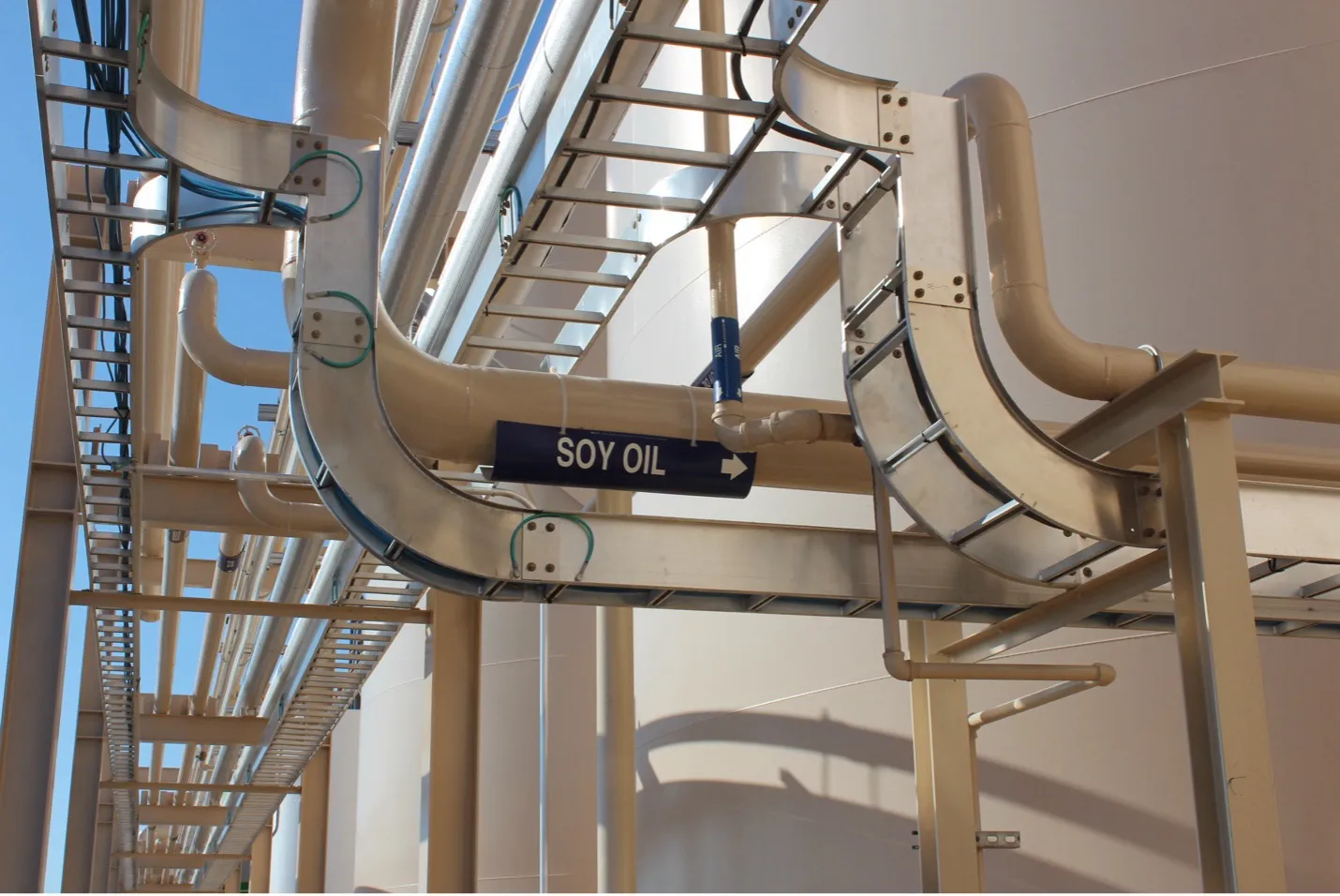
Douglas also visited a poultry feed mill and a soybean crush plant, where he saw sophisticated processing technology, including robotics and in-house soybean oil bottling.
But some of his most important observations weren't about technology. They were about people.
Egypt faces infrastructure challenges, including transportation limitations that can affect how soybeans move from ports to processing facilities. Those challenges make strong local relationships even more important.
Douglas saw that firsthand when visiting the feed mill.
“One of our USSEC reps was welcomed like family,” he says. “He is singlehandedly helping move bushels — it’s amazing that we have a version of him in every country we serve.”
That relationship-building work is an important part of developing international markets.
And farmers can play a role in it.
When soybean farmers sit across the table from international buyers, feed manufacturers, livestock producers or other customers, they put a face and a story behind U.S. Soy. They can answer questions, share what matters to farmers and learn directly from the people making purchasing decisions.
Those conversations can help customers understand why U.S. Soy is more than a commodity — and why consistency, quality, sustainability and reliability matter.
Turning Relationships into Market Opportunities
Egypt is important not only because of its own demand for soy, but also because of its position as a potential gateway to other markets across Africa.
For Douglas, the trip reinforced a lesson that reaches well beyond Egypt.
As U.S. soybean yields continue to increase, farmers need markets that can absorb that production. Developing and maintaining customers around the world can help diversify demand and create opportunities for U.S. Soy.
And those markets are built one relationship at a time.
“It's better for customers of U.S. Soy,” Douglas says. “And that's better for producers.”
For soybean farmers, being an ambassador isn't about becoming a salesperson. It's about showing customers who grows their soy, listening to what they need and building the trust that can keep them choosing U.S. Soy.
Because in a global marketplace, the farmer can be one of the most powerful faces of the product.
Sources
Related News
This National Pork Month, winter feeding decisions can help producers beat the summer dip
Reducing input costs
More crush, more markets: how renewable fuels are driving demand for U.S. Soy