Feature Story
Sustainable Production
Combating soybean aphids
09.20.2019
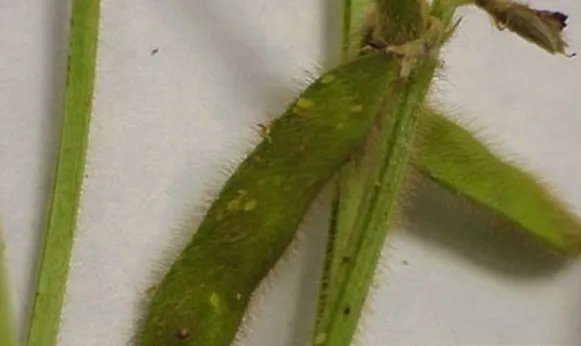
Since arriving in the United States in 2000, soybean aphids have worn out their welcome. Controlling them requires extra scouting, insecticides and money. According to University of Minnesota soybean researcher George Heimpel, an aphid infestation can lead to about a 50-percent yield loss. As the soy checkoff continues to explore new methods of controlling this invasive insect, keep in mind the following points about aphids to help you understand this yield robber.
- Aphids cause destruction by sucking juices from the soybean plant.
- It takes about 700 aphids per soybean plant to cause significant damage. However, when scouting reveals 250 aphids per plant, farmers should be concerned.
- Currently, the only proven way to prevent aphids from devastating a soybean field is a timely insecticide application.
- Originating in Eastern Asia, soybean aphids have natural enemies that control them in their native environment. Some of these enemies live in the U.S., but still are unable to completely eradicate aphids.
- Checkoff-funded research continues to explore biological control methods for aphids. One method includes the introduction of tiny, parasitic wasps from Asia. These wasps lay their eggs within an aphid. When the eggs hatch, the larvae kill the aphid from the inside.
Related News
Feature Story
Soy’s secret health boost: How soybean meal supports livestock through disease and heat stress

Feature Story
From the farm to the fleet: How U.S. Soy is finding new demand in city garages
Feature Story
Sustainability and the bottom line pull in the same direction

Feature Story