From seed to plate: An increasing demand for farmers with high oleic soybeans
09.08.2022
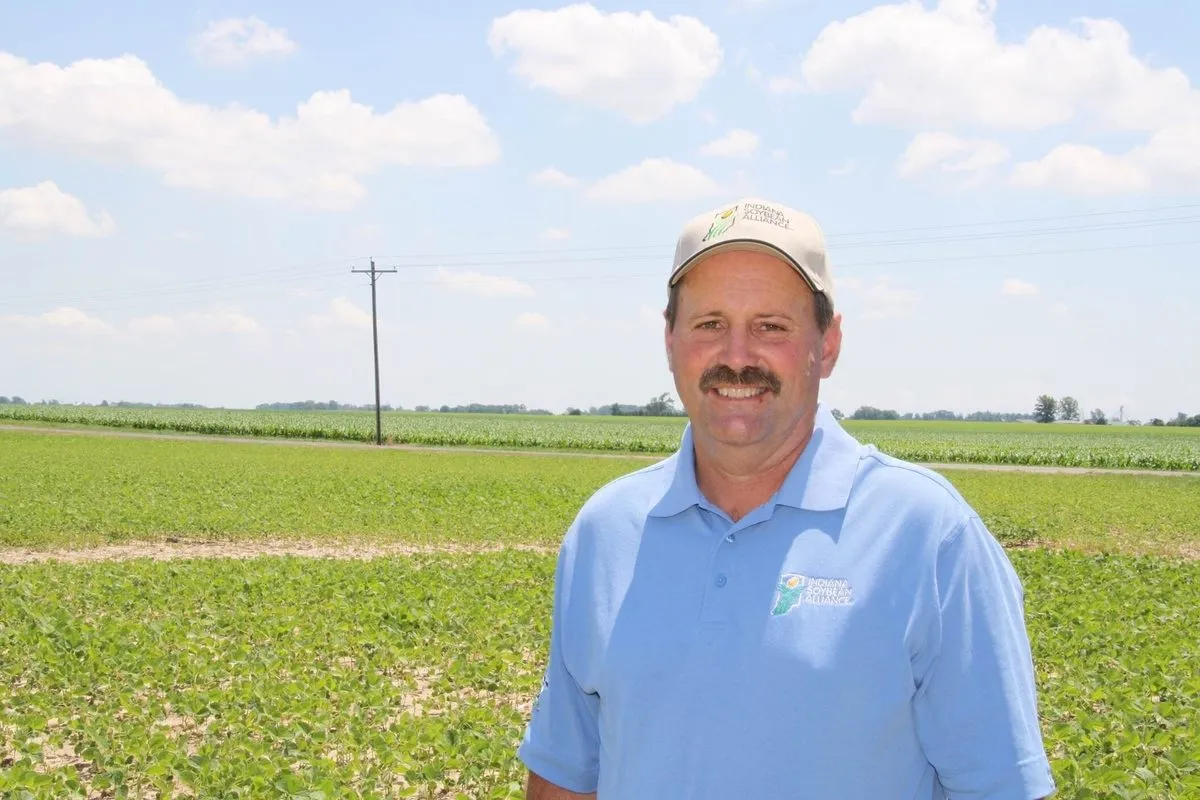
Health-conscious consumers want high oleic soybean oil — and with seed decisions around the corner for farmers, this growing market demand may warrant taking a look at high oleic if it’s available in your area. The benefits associated with high oleic speak for themselves. For Kevin Wilson, soy checkoff farmer-leader and Indiana farmer, the decision is simple: Farmers are turning to high oleic due to its premium sustainable qualities while meeting the worldwide demand for soybean oil.
“Companies are looking into more sustainable products to use, and they are seeing an increase in benefits for growing high oleic,” Wilson says. “The confidence they have in U.S. farmers providing a reliable product is a major plus for U.S. Soy.”
Generally, farmers growing high oleic report that they yield on par with or better than their farm’s average — adding profitability and innovation at the same time. Wilson has grown high oleic soybeans for seven years on his farm and discusses the great success he has experienced with them.
“The yields are consistent with the commodity soybeans, and high oleic doesn’t require much additional time spent preparing for planting or harvesting,” Wilson says. “It’s been a big win for us.”
High oleic soybeans add long-term value for all U.S. soybean farmers by providing a product that meets demand in new and existing markets for soy, such as food and industrial customers. High oleic soybean oil works even better than commodity soybean oil in high-heat situations, which expands markets for soybean oil in frying, baking and high-heat industrial uses. As health- and sustainability-conscious consumers increase demand for this oil, processors offer a premium to high oleic soybean farmers.
“A main benefit for high oleic farmers is the added premium for growing them. The last two years’ premiums have been $1.25 a bushel, and in the 2023 crop, they are around $2.20 a bushel,” Wilson says. “The demand for high oleic soybean oil has started to take off as companies are realizing the many benefits.”
The journey from seed to plate is no easy feat for farmers, especially considering the high demand for nutritious, sustainable choices by consumers. That’s why you and your fellow farmers continue to find new ways to help meet the needs of customers. And your checkoff helps along this journey from the creation of high oleic soybean varieties to market research and development.
As you start to think about next season, Wilson recommends learning more to determine if high oleic will work on your farm.
“I suggest all farmers take a look around and see if high oleic will work for them,” Wilson says. “There are going to be a few more delivery options and maturities being added each year. For our farm, high oleic beans have put more dollars in our pockets.”
Related News
Soy’s secret health boost: How soybean meal supports livestock through disease and heat stress

From the farm to the fleet: How U.S. Soy is finding new demand in city garages
Sustainability and the bottom line pull in the same direction