The solutions are soy-based: How one commodity is addressing global issues
07.29.2022
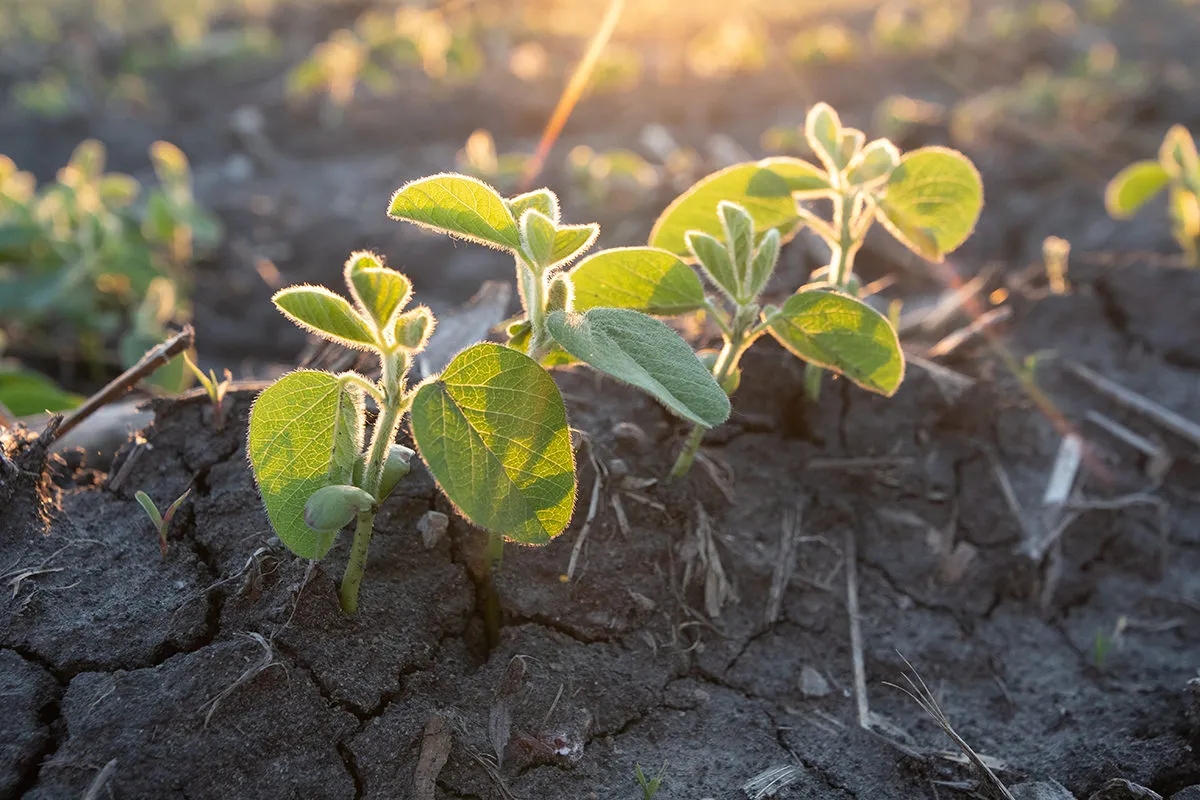
It’s no secret that the world is struggling – in more ways than one. With rising prices and pressing environmental issues, it’s easy to question if solutions are possible. The answer? Well, it’s growing in your fields.
“Farmers are constantly looking for new ways that our crops will be utilized, that we’re not just waiting to see what happens to us from the world, but we’re looking for ways that we can help,” says Meagan Kaiser, soy checkoff farmer-leader and soil scientist from Missouri. She’s convinced that full use of crops will make a positive impact on the future.
The agriculture industry is no stranger to risk. Farmers have found that some risk equals tremendous rewards. “In agriculture, we think generationally, and so we kind of accept a lot of risks because we feel so connected to the outcome,” says Kaiser. With advancements in science and technology, U.S. Soy has matched many industries as they take a leap for a better tomorrow, providing functional answers today to a variety of challenges. Soy can be a solution in:
Food
It’s common to read the back label of packaged food and see soybean oil listed as an ingredient. It’s also found in many food products as a complete source of protein, a fact that the checkoff promotes globally. Plus, efficient land, water and energy use from soybean farmers across the country have reduced greenhouse gas emissions and increased soil health tremendously. These sustainable practices help better our world while keeping food on tables.
Packaging
Packaging is used for many different products and it’s not new information that most materials used do not support the environment. Fortunately, soy can help here, too. “We can produce renewable, biodegradable plastics from our green crops,” says Kaiser. The development of soy-based plastics is just the beginning; many common products can be created with materials derived from renewable, biodegradable soy. This results in 1,000+ soy-based products on the market today. From shoes to tires to artificial turf, your crop is helping solve a major environmental problem.
Fuel
Soy is lending a hand to keep vehicles, equipment and planes running in a much cleaner manner, with biofuels. “I immediately think of the soy that we grow in our field being a drop-in replacement for biofuels into our tanks, helping not only mitigate the pain at the pump, but also help improve our carbon footprint,” says Kaiser. As fuel demand increases so does the need for soybean oil, helping farmers lead innovation in the biofuel industry and contribute to a renewable option for people across the country.
As soy continues to expand in the market, you are addressing some significant global problems with soy-based solutions that are available today.
“We’ve got a job to do, and people are depending on us,” adds Kaiser. Soy means sustainability, ultimately helping our world become a better place for generations to come. Get the latest information on how your soybeans are becoming the solution.
Related News
Soy’s secret health boost: How soybean meal supports livestock through disease and heat stress

From the farm to the fleet: How U.S. Soy is finding new demand in city garages
Sustainability and the bottom line pull in the same direction